My latest for CiRCE is a brief retrospective (and appreciation) of Harold Budd, who died this week at the age of 84.
How To Write The Perfect Novel
“The perfect novel has three parts. In the first part, you describe everything you have ever learned about people. In the second part, you describe everything that has happened since the French Revolution began. In the third part, you offer readers a little perspective.”
-advice given to me on writing the perfect novel from Michael Mann in a dream last night
Harold Budd, My Favorite Living Musician, Has Gone On To His Eternal Reward

At the age of 84, my favorite living musician, Harold Budd, has died. I was listening to his record The Plateaux of Mirror when I received a text from a friend informing me of his repose.
For the last several years of my life, Harold Budd has been a regular fixture of my days. His The White Arcades (1988) and Lovely Thunder (1986) have been my regular companions while writing more than a hundred essays and a good portion of Something They Will Not Forget was invented while Abandoned Cities (1984) played on headphones. Budd began his career in the avant garde, but quickly became a close observer of nature and made music which modeled the serenity and sublimity of the Earth.
He was a mild man who created mild and contemplative music for a tumultuous period of human history. I admire him deeply and mourn his passing. Memory Eternal, Harold Budd, servant of the Lord.
Hypocrisy Will Sneak Up On You Like That
My latest for CiRCE is about the strange, circuitous, and self-defeating path many private school kids take away from hypocrisy that just lands them squarely in the lap of hypocrisy.
Why Do People Who Do Not Want A Classical Education For Their Children Send Their Children To A Classical School Anyway?
My latest for CiRCE answers this very question.
While I believe such scenarios often involve honest misunderstandings, those misunderstandings can and should be cleared up early on.
How? Why? Read on.
I Don’t Mean To Brag, I Don’t Mean To Boast
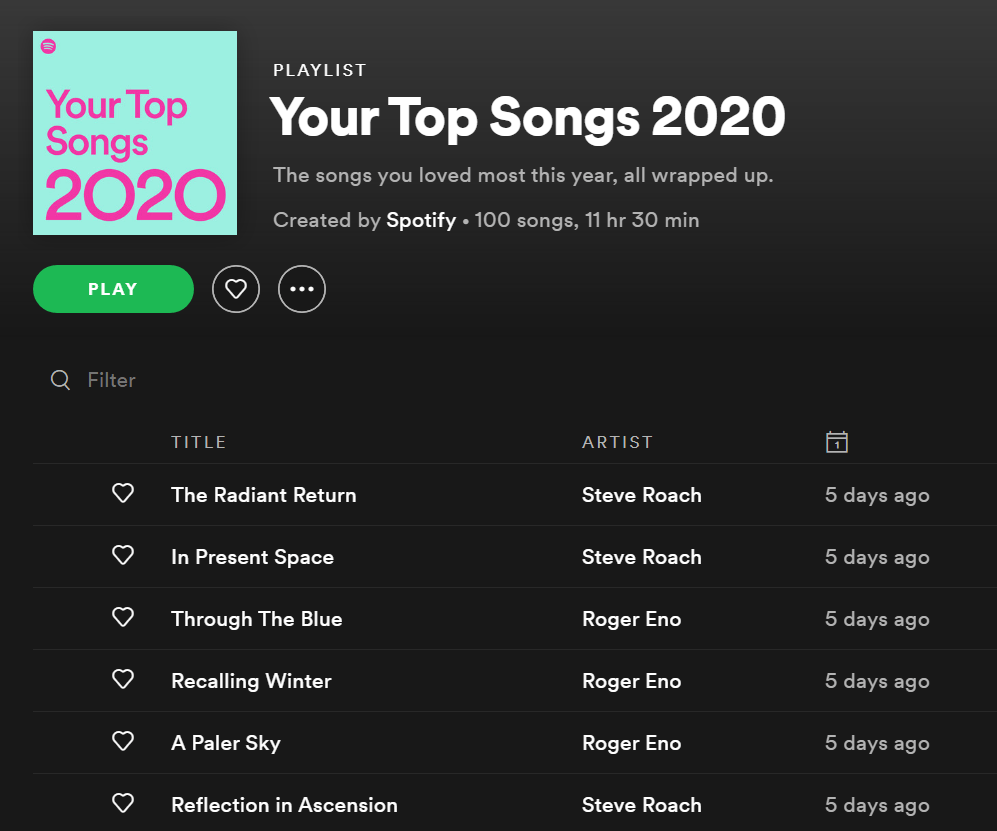
But my most played song of the year is 32 minutes and 14 seconds long.
Together In Spirit, Etc
For what it’s worth, I’m making my annual viewing of The Life Aquatic this Friday night. If you would like to watch the film at this time and on this date, as well, wherever you hail from, we could be together in spirit, etc.
Christmas Wish List
Chronicles I by The 7th Plain
1995 by Kruder & Dorfmeister
A very decent pair of headphones
A Westerley (probably in xxl)
The Selected Stories of Patricia Highsmith
Can We Redeem TikTok For Jesus? No.
My latest for CiRCE tackles the idea that tools are morally neutral and that Christians need to redeem every last banal, insipid waste of time the world throws at us.
Announcing The Second Class From GibbsClassical.com: The Divine Comedy for Beginners
Registration is now open for The Divine Comedy for Beginners, the second class from GibbsClassical.com.
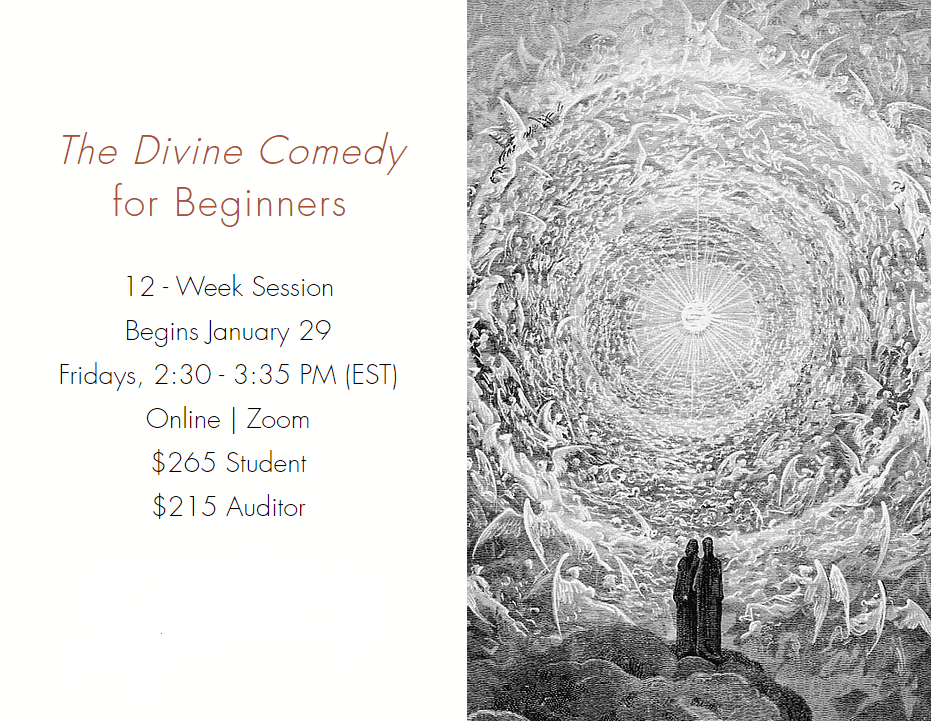
You can learn more about the 12 week class on GibbsClassical.com and you can register by following this link.
The class is being offered on two different levels: Student ($265) and Auditor ($215). Space is limited on the Student level.

