My latest for CiRCE concerns that most pernicious of issues within classical schools: Do we teach students what to think or how to think?
Proverbs: On Politicking
Parent: The grade you gave my son on his essay seems kind of subjective.
Teacher: No, it seems kind of low, and if I raised the grade it would be even more subjective.
Proverbs: On Teaching
“Teaching is not a lost art, but the regard for it is a lost tradition.”
― Jacques Barzun
This Headline, This Picture

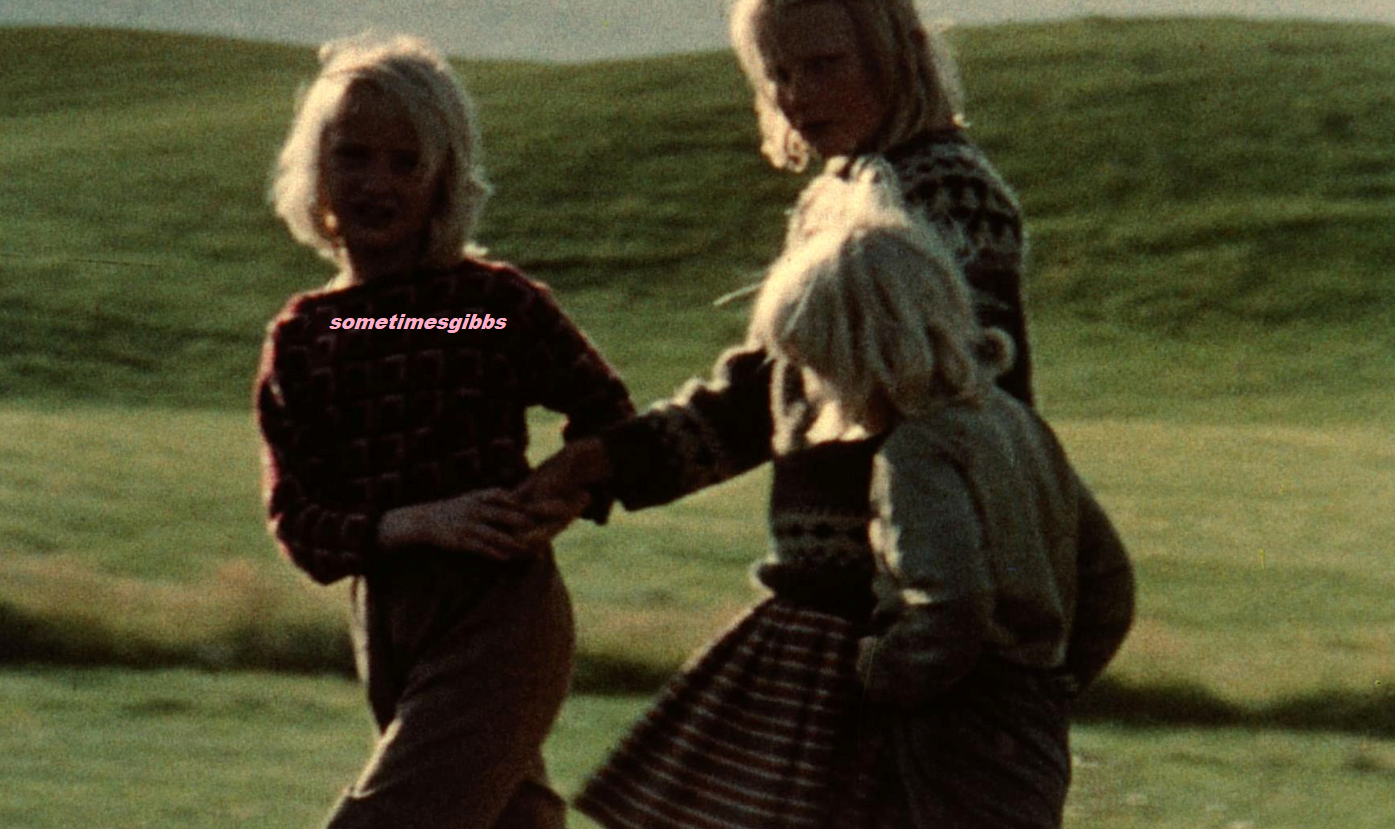
This is what The Wall Street Journal thinks homeschooling looks like.
Proverbs: Class Work
Never ask students to do work in pairs that they could easily do alone.
Sizing Up A Classical School In Less Than Ten Minutes
If you only had ten minutes to assess the health of a classical school, what would you do? What would you want to see? Who would you talk to?
My latest for CiRCE deals with these very questions.
Lately
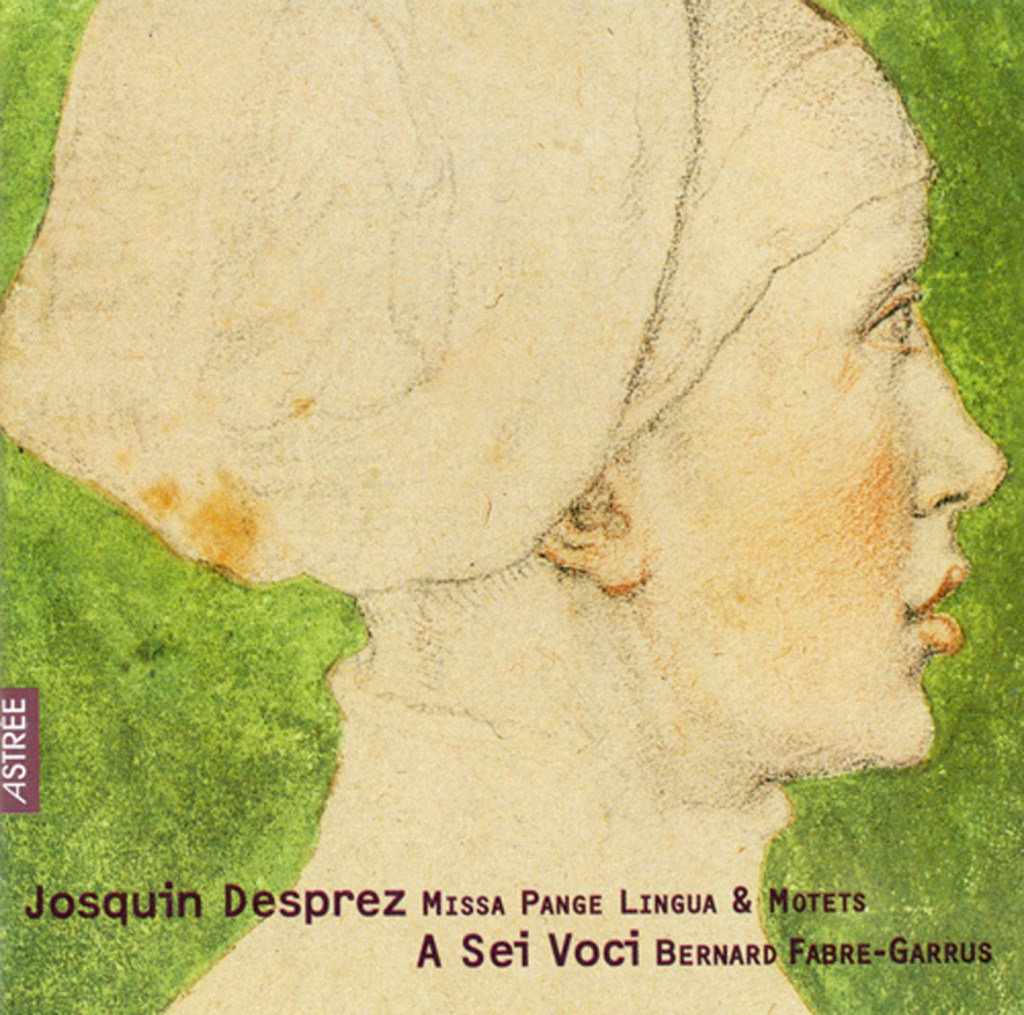
I have forced myself to listen to beautiful music lately, though this one goes down quite easily.
Foundational
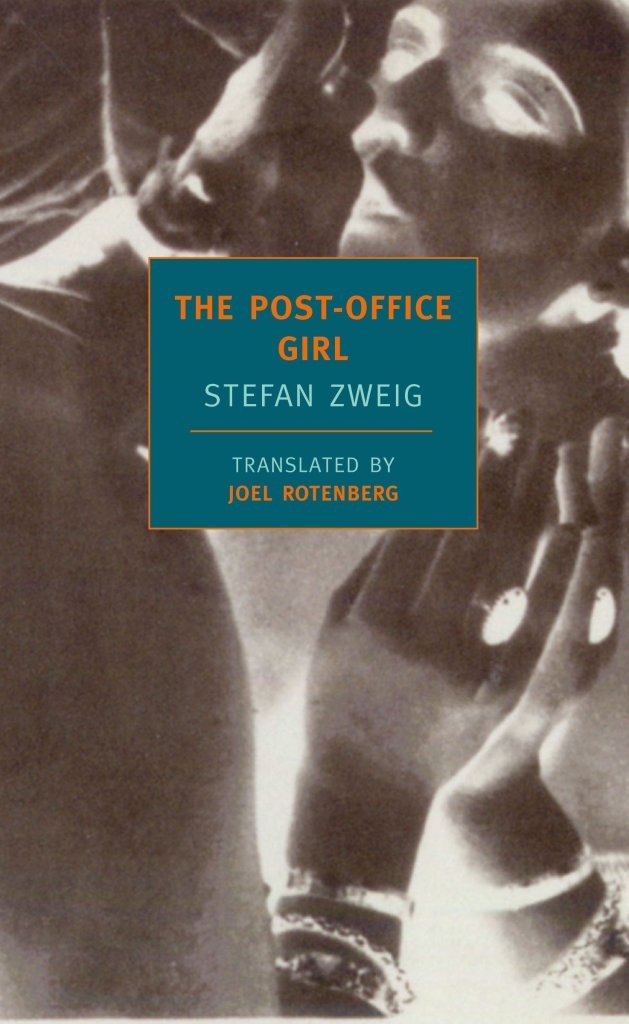
One of the books which inspired The Grand Budapest Hotel. I just began it this morning for the third time in as many years.
Undone
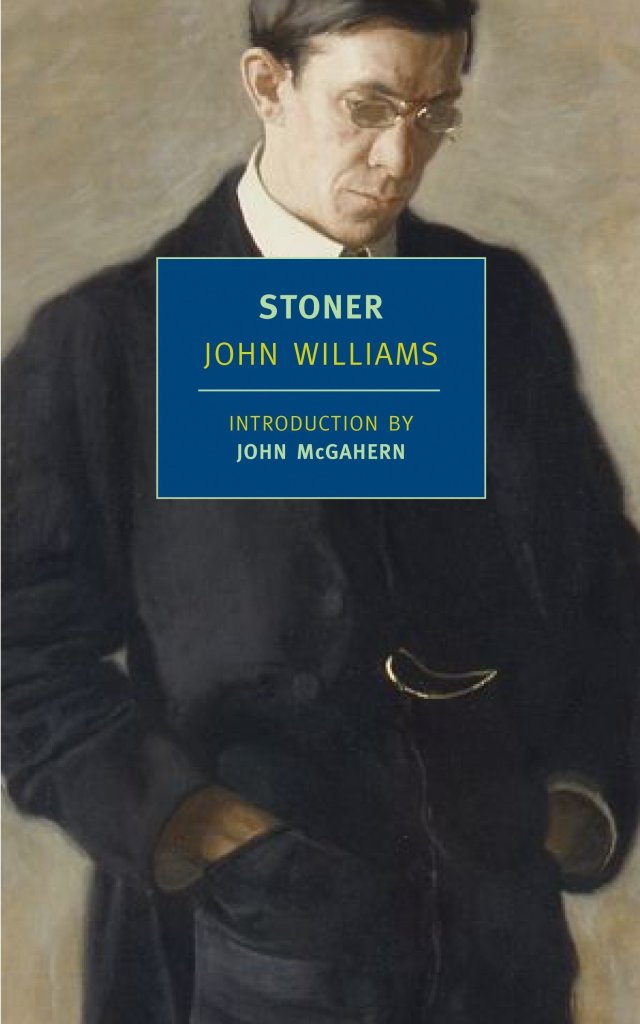
Not since Kazuo Ishiguro’s Never Let Me Go has a work of modern fiction broken my heart so meticulously.
On Hypocrisy
The teacher to the student: Can you not write a single paragraph without becoming bored and checking your phone?
The student to the teacher: Can you not grade a single essay without becoming bored and checking your phone?

