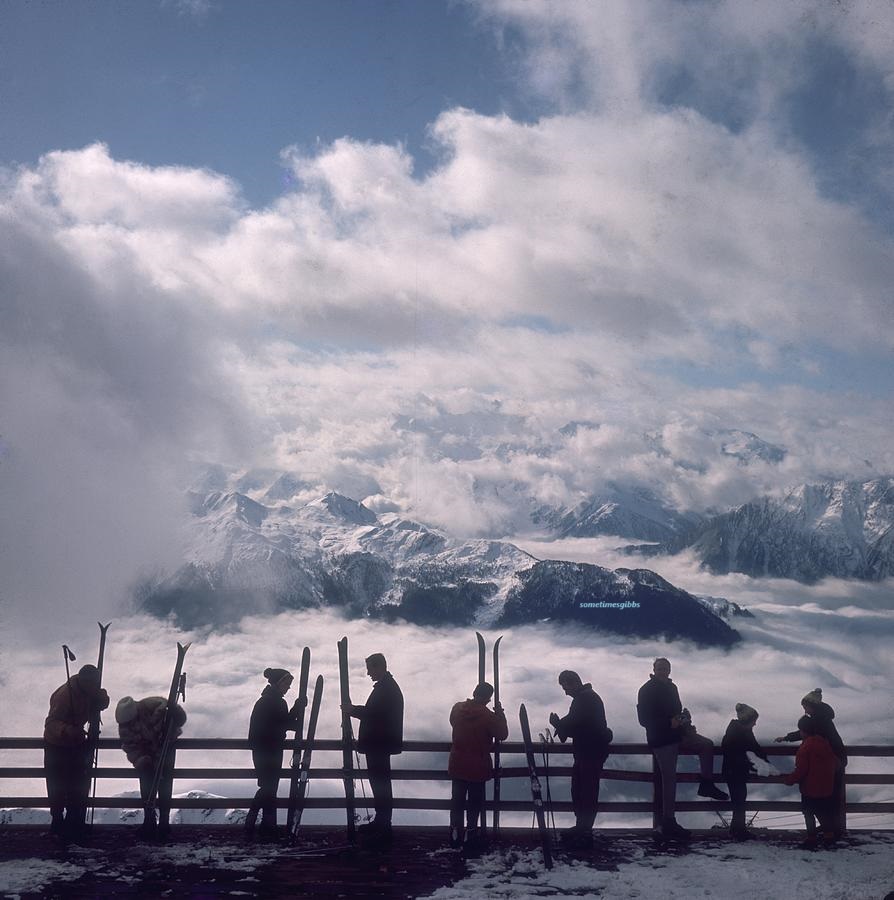
No. 8: “Like Home,” from Gone Girl, by Trent Reznor and Atticus Ross
The Ten Best Original Soundtrack Compositions Of The Last 20 Years: Number 9
No. 9: “For the World,” from Hero, by Tan Dun.
The Ten Best Original Soundtrack Compositions Of The Last 20 Years: Number 10
No. 10: “Morning Passages,” from The Hours, by Philip Glass
Where I Got It From
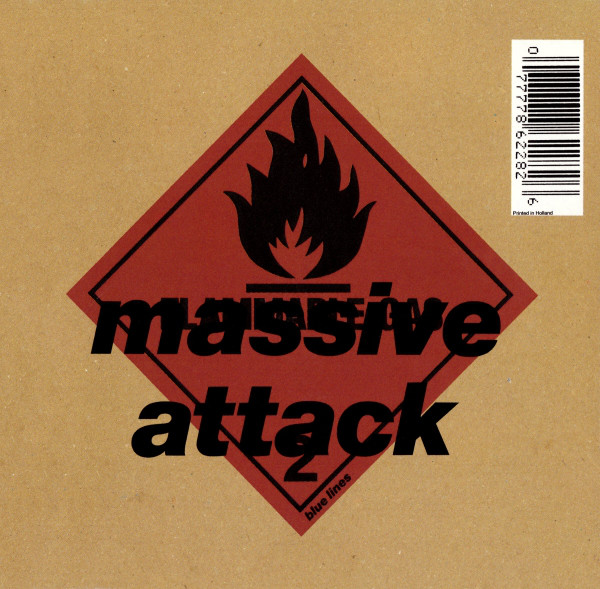
In case you wondered, this is where I got it from: arial black font, italicized, only lower case.
Introductions Are Overrated
“More often than not, contextualization is just an easy way out. Rookie teachers spend too much time in Paradise Lost talking about John Milton because it is easier than talking about the book. Milton is the least interesting part of Paradise Lost, though, and that is because his poem is a complete success.
So try teaching a book the way it would have been taught five hundred years ago—before quizzes, before research libraries, before postmodernism reduced everything to a power play, before Marx reduced us all to economic automatons. Quit making the book about the author and make it about the truth instead.”
-from Against Context: Next Time Skip The Introduction, my latest for CiRCE
Cannibals Only Terrify By Night
The King of Infinite Space is the latest episode of Proverbial. It is available now.
Against: Grist For The Mill
Quite often, “teaching students how to think” simply means “teaching students how to criticize.” Teaching students how to criticize will not “irrigate deserts,” as Lewis put it, which is why so many 18 year-old Christian critics/analysts are men without chests who summarily quit church as soon as they can.
A Matter Of (Autumnal) Taste
This one is marked collaborative, so after you get the mood, feel free to add to it.
“Unfinished Sympathy” and “Before Today” were narrowly cut at the end because they are just too crisp. This one ought to be all sweaters, sick days, and space heaters.
Jane Austen’s Unusual Brilliance
I am teaching Pride & Prejudice this year for the first time since instituting catechisms in my classroom. Oddly enough, the book is entirely bereft of passages that might suit a catechism. Austen’s brilliance is real, but known only in slow accumulations. Despite her deep understanding of human nature, she is one of the least quotable authors I can name.
Let’s Direct A Critical Eye At Accreditation
“New humanities teachers are often given massive manuals (compiled by previous teachers to satisfy accreditation requirements) and told, ‘This is how to teach this class.’ The existence of such manuals is a comfort to administrators and a terror to everyone else. Why? For the same reason bureaucracy is always a terror to reasonable people.”
-from Stop Saddling New Teachers With Pointless Bureaucracy, my latest for CiRCE
 There are still faint glimmers of civilization left in this barbaric slaughterhouse that was once known as humanity.