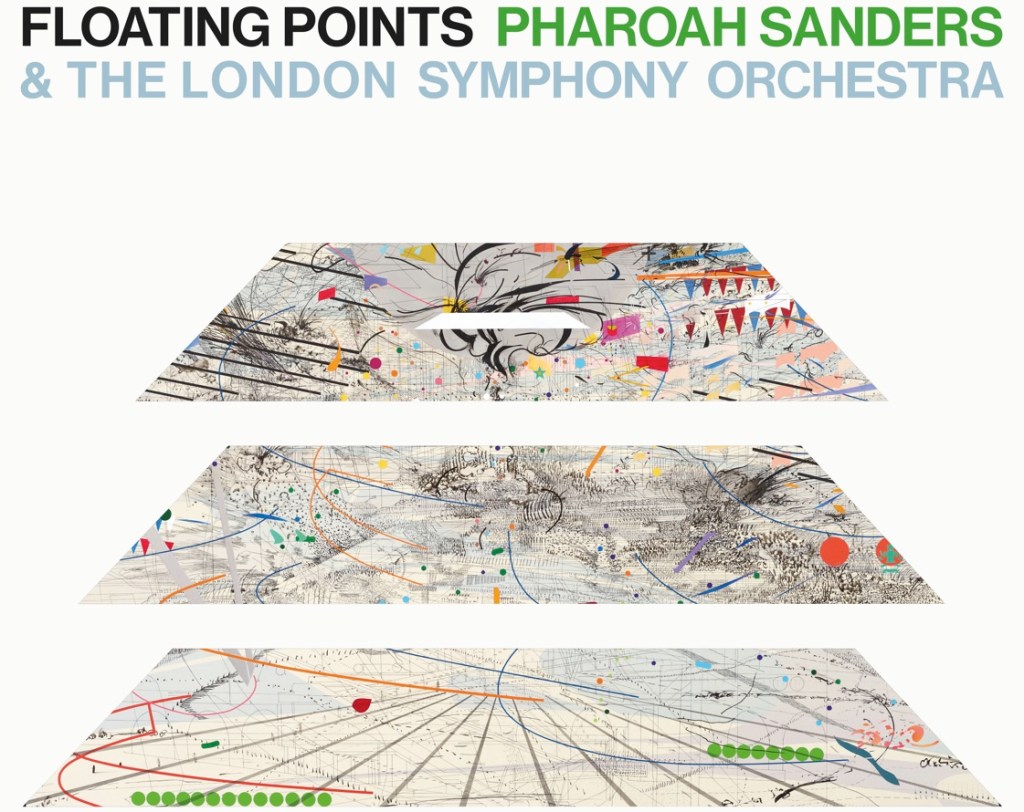
Might be overstating the case, but Promises is what Miles Davis’s In A Silent Way would be if it more listenable. Presently my favorite record of 2021.
Teach me to care and not to care.
Might be overstating the case, but Promises is what Miles Davis’s In A Silent Way would be if it more listenable. Presently my favorite record of 2021.
Any government conceived of as a necessary evil will slowly make itself both more necessary and more evil.
“In mulling Mr. Collins over for the last several days, I have come (once again) to a rather sobering thesis: I might be a lousy father. It is a thesis which follows inevitably from two rather simple facts, both easily proved by an honest, unsentimental assessment of the world. First, lousy fathers exist. Second, lousy fathers are unlikely to be told, “You’re a lousy father.”
If you are a lousy father, you have to figure it out on your own.”
-from Becoming A Good Father In A Sentimental Age, my latest for CiRCE
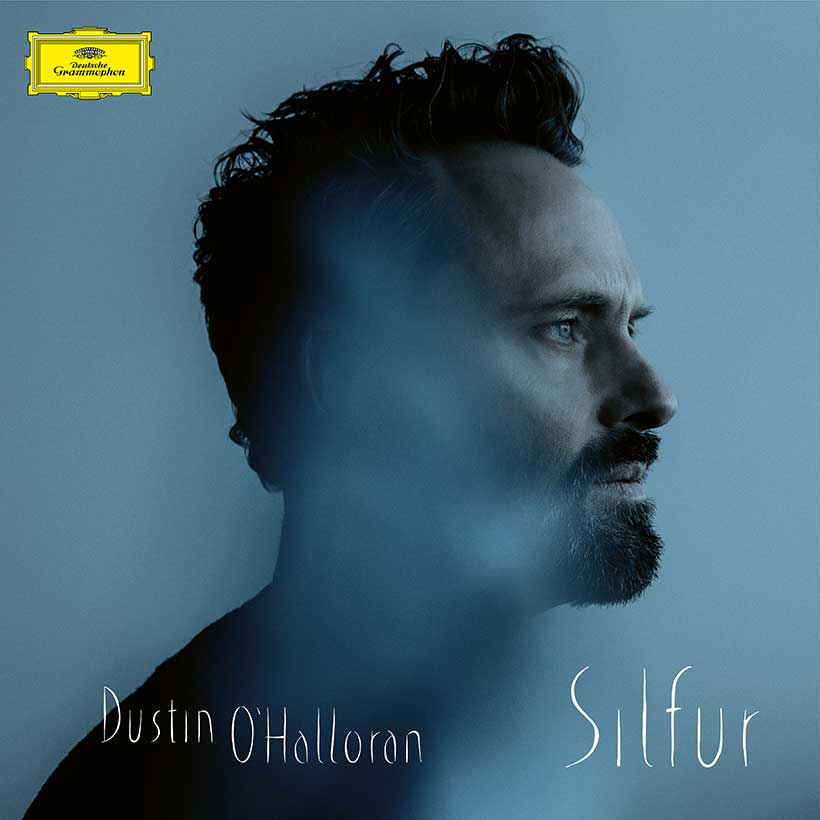
Dustin O’Halloran isn’t as clever as Chilly Gonzales, but he is one of the most elegant living composers of solo piano pieces. O’Halloran’s Piano Solos 1 and Piano Solos 2 are among my favorite records of all time. Melancholic, contemplative, bookish: O’Halloran unapologetically borrows from the nocturnes of 18th century Irish composer John Field, though O’Halloran is far more lyrical.
For the last ten years, O’Halloran has spent much of his time doing work on motion picture scores, though a good deal of that work lacks the solemn, classical bent of his first several solo albums. I am happy to see he has a new record of solo piano work out this Friday. My hopes are quite high for this one.
Happier with this episode than anything I’ve done in a couple months.
Just a reminder that I will deliver “Reconciling Beauty and Progress” tonight at 8pm EST. The webinar is free for all newsletter subscribers to GibbsClassical.com.
“One of the greatest needs in classical Christian education today is a chorus of voices who are willing to boldly speak against the modern corporate values, ethics, aesthetics, iconography, and strategies that are constantly demanding entrance into our schools. Leadership isn’t a virtue. Community isn’t a virtue. Teamwork isn’t a virtue. Soft capitulation to such ideals is what slowly transforms a classical Christian school into any old private school. A conference is the right place for this chorus of voices to be heard.”
-from my latest for CiRCE
Justin Hall recently interviewed me for The Notion Club Podcast. We spoke about autodidactism, adulthood, classical education, and beauty. I am not always happy with interviews, but I was quite pleased with Justin’s set of questions and his conversation.
As a tease: in this interview, I explain my friend Andrew’s excellent critique of the “life-long learner” as nothing more than a gutless new corporate virtue.
“Regardless of their subject, teachers need to read fiction about children who are the same age as their students. Teachers who don’t read enough fiction about youth can quickly come to believe ‘kids used to be different—better,’ which will lead the teacher to despise his students. Fiction about youth corrects the pretentions of a teacher who is too lenient or too strict with his students. Fiction teaches love.”
-from Every Teacher Should Read Fiction, my latest for CiRCE
Whatever it is fashionable to say about COVID today will be thought primitive, ignorant, and backwards two years from now. This has nothing to do with COVID per se. It is simply the way the zeitgeist works. Nothing ever stays fixed.

 There are still faint glimmers of civilization left in this barbaric slaughterhouse that was once known as humanity.