After a two month hiatus, Proverbial is back. Episode 123: Letting The Water Hold Me Down is available now.
About The Barbie Movie
“The film’s greatest contradictions concern motherhood. Barbie wants motherhood to be noble, but not more noble than a swinging single life, which is to say that it doesn’t matter what women choose as long as they choose it for shallow reasons.”
Book Signing In Concord, NC
I will be at Goldberry Books in Concord, NC on the evening of August 10 to do a little reading, a little Q&A, and to sign copies of Love What Lasts (or any other objects upon which you prefer my signature). If you’re in the area, or care to drive, fly, or sail to the area, I would love to see you there.
You can register for the event here.
Didn’t Think I Was The Type
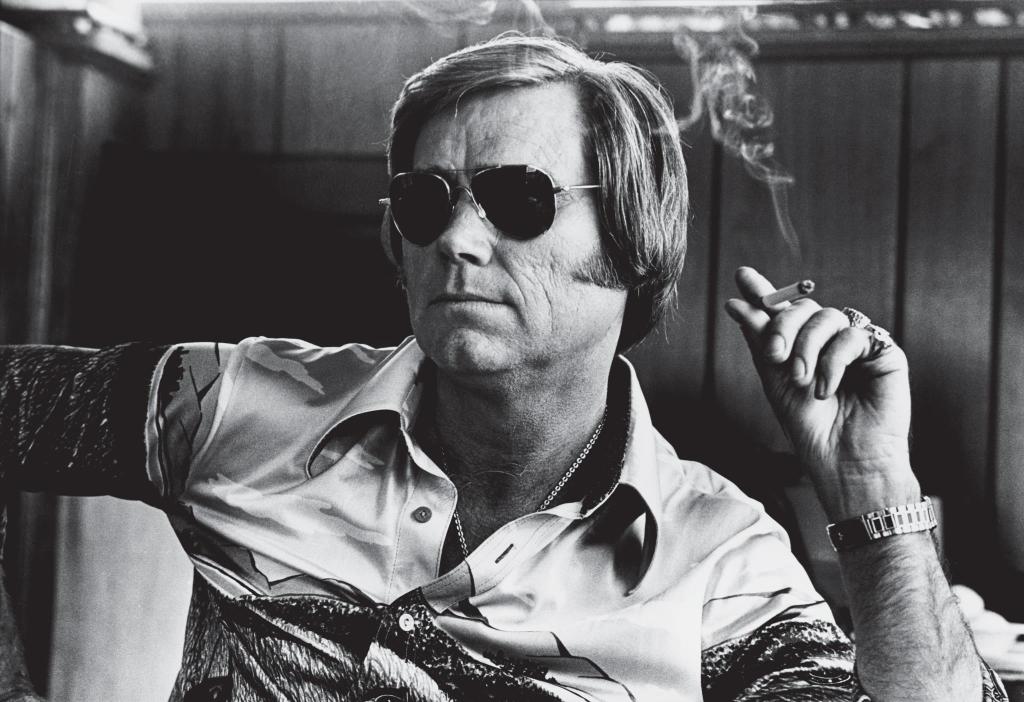
When I think of the summer of 2022, I think of oysters, Seinfeld, Thomas Kosmala No. 4, and Eugene Vodolazkin’s The Aviator. When I think of the summer of 2023, I’m pretty sure I’m going to think of George Jones.
I never figured I was the sort of person to get into country music, but George Jones is the one who did it for me. At this point in my month long road trip out West, it’s George Jones’s late 70s/early 80s work that has soundtracked much of the barren places and national parks.
Views: Gibbs In Monument Valley
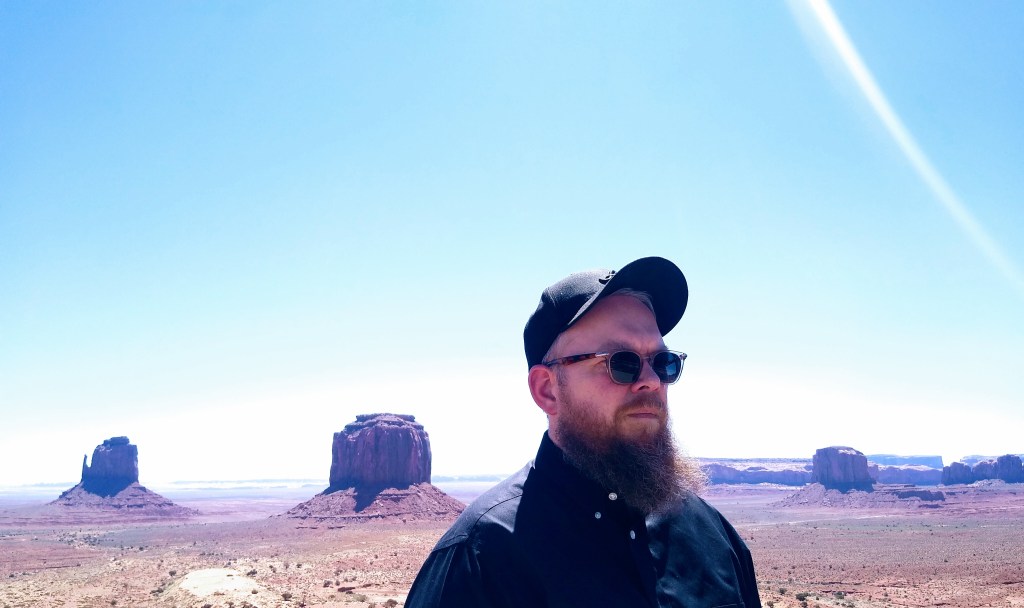
Views: Gibbs In Arches National Park, Utah

News When I Travel
I am presently on a month long road trip. I have thus far driven from Richmond to Pullman, Washington. Tomorrow, I will sleep in Salt Lake City. The night after that, Denver. Then Moab, San Francisco, and Palm Springs.
I brought three CD wallets on the trip, but when I’m alone in the car, I listen to the radio. When I am a long way from home, I find it more satisfying (more fitting) to let fate choose the music. If fate chooses for you to hear the same song twice while on vacation, you cannot help remembering it years later. Last time, it was “Say What You Want” by Texas.
“This Is The Day” is the song fate chose for this trip.
How Much Lecture Is Necessary?
“How much lecture is necessary?” is a divisive question because there’s really no standard definition of “lecture” among classical educators. Some teachers think a lecture is an uninterrupted 45-minute talk on why Jane Austen didn’t like the city of Bath, which sounds a bit dull and unlikely to incline students to virtue—and the idea that a lecture is an uninterrupted 45-minute talk isn’t absurd given that it’s what a lecture is at a conference.
However, when teachers debate the relative merits of lecture, they always say “lecture” and not “a lecture.” There’s a considerable difference between the two.
-from my latest for CiRCE
Historians Always Judge Like Strangers
“History is a merciless judge. It lays bare our tragic blunders and foolish missteps and exposes our most intimate secrets, wielding the power of hindsight like an arrogant detective who seems to know the end of the mystery from the outset.”
-David Grann, Killers of the Flower Moon
The First Gibbs Classical Meetup Is August 12
You’ve read the blog posts, listened to the lectures, and signed up for the classes. Now, eat the food. On August 12, I am hosting the first Gibbs Classical Meetup at my home in Richmond, VA. Come to my place and let me cook you dinner.
If you would like to come to the Meetup, please send me an email with “RSVP” in the subject line and let me know how many of you are coming. You can also RSVP through the Gibbs Classical contact page. I can only host 25, but I plan on throwing several such dinners in the next year. If you don’t make it into the first 25 spots, you’ll be toward the top of the list for the next Meetup. There’s no cost, you don’t need to bring anything, and I can work around your allergies.
 There are still faint glimmers of civilization left in this barbaric slaughterhouse that was once known as humanity.