As of this morning, there’s only one spot remaining open for The Classical Teaching Institute’s Fall Literature Retreat. If you want to claim the last spot, it won’t last long. You can register here.
Fun With Fashionable Ethics
Tom: That’s your ninth taco.
Harry: But I’m praying for you while I chew. It’s called servant gluttony.
Scenes From Our Coming Dark Ages
Scene 1:
Dad: Much like Christianity, the rise of video games took place in the margins of society, not in the Palaces of Power. It was the poor and despised of the world who devoted themselves to video games, not the elite and wealthy.
Boy: I’m so glad those early gamers persevered, Dad.
Dad: Gamers were often mocked for their devotion to entertaining themselves, as well. People in lofty positions told gamers, ‘You’ll never make anything of yourself if you waste your life on those ridiculous games.’ But the gamers could not be stopped. The more “sophisticated people” made fun of them, the more their numbers increased.
Boy: The early gamers must have been really courageous, Dad.
Dad: They were, son. What they did in the darkness, we can now do in the light.
Scene 2:
Dad: A long time ago, many of the greatest video game players died penniless and alone.
Boy: I don’t understand.
Dad: I don’t either, son.
Scene 3:
Dad: In bygone days, video games were quite expensive. If you owned a game, you had played it, beaten it. Now, sadly, many people have video games on their shelves just for show. Video games have become so common, so cheap, that people don’t really respect them.
Boy: That’s sad.
Dad: I know, son. I know.
History Piffle
Tom: You know what they say. “History is always written by the winners.”
Harry: Who said that? A winner or a loser?
Tom: Probably a loser.
Harry: Then it seems losers get their say.
Tom: Actually, it was probably a winner.
Harry: Then it’s not actually true?
Tom: Actually, it was neither.
Harry: And yet it’s an old saying?
Sayings
Beggars can be choosers if they are also willing to be martyrs.
Just A Little Thing I Feel The Need To Repeat From Time To Time
Teacher: Most people like chocolate.
That Kid: I don’t like chocolate.
Teacher: And most people know what the word “most” means.
Tim Walz’s Celebrity Doppelganger
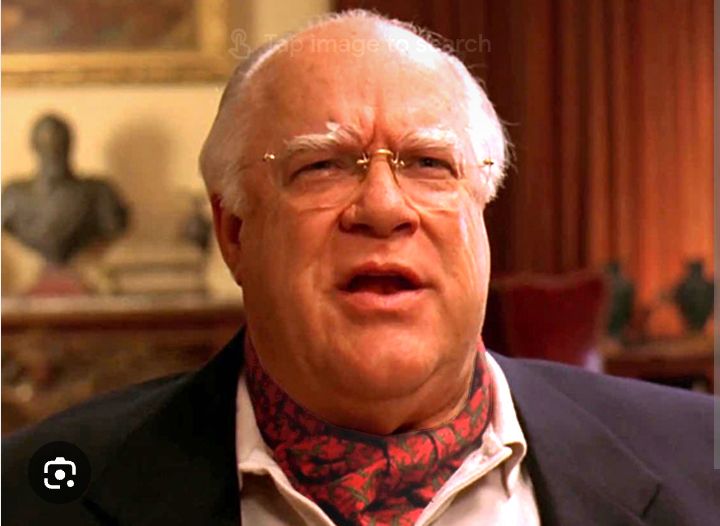

They’ve got more than one thing in common.
How to Read The Divine Comedy for the First Time
I highly recommend you read The Divine Comedy, though I don’t know that I would suggest you try to do so by yourself. If you start reading it, you really need to finish it. Dante himself issues this caution to readers in the middle of the poem. If you abandon the poem half way through, you will end up with a skewed image of justice and a distorted view of reality. And that distorted view of reality can be haunting.
If you can actually make it through the entire poem on your own, do it. Many first-time readers falter, though, because the Inferno is grotesque and grows tedious in the end, or because the Purgatorio seems too similar to the Inferno, or because the Paradiso lacks the drama and compelling images of the first two. I’ve lost count of the people who have told me they “didn’t finish the Comedy.”
If you’d like help reading (and finishing) the Comedy, let me help.
Starting September 3, I am teaching The Divine Comedy for Beginners through Gibbs Classical. The class runs for fourteen weeks, there’s relatively little reading to do each week, and the class is aimed at novices, not pros. Sign up for the Auditor Level of the class and you’ll received the week’s lecture via email every Wednesday and have access to two Q&A sessions that are for auditors only.
Imagine being able to tell your friends, family, and coworkers (at Christmas time) that you read the greatest poem of the last millennium this year. Or keep that information to yourself and just let everyone wonder why you seem so much deeper than you did at this time last year.
The Make-Your-Bed People
There is always going to be room for a fresh round of cultural pundits who tell young men to “make their beds.” It strikes young ears as profound, invigorating. It’s simple. It’s doable.
However, the make-your-bed people always marry that message with something else. It never stands entirely on its own. “Make your bed and do this other thing.”
It’s always the other thing that’s the real message.
New Poem: Hidden In Plain Sight
A skull tattoo
A duck tattoo
A dog urinating on a fire hydrant
In the rain
Inked images
As invisible as words
To the illiterate
 There are still faint glimmers of civilization left in this barbaric slaughterhouse that was once known as humanity.